

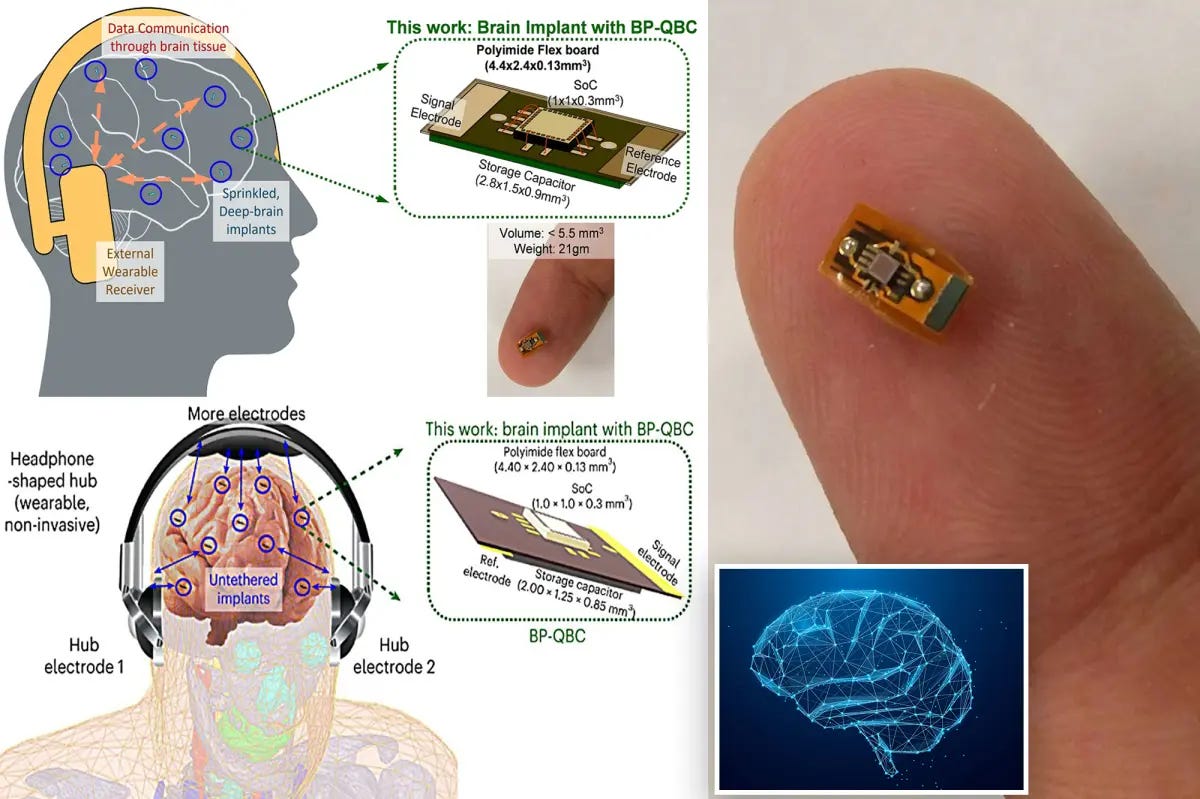
A new era of mental health technology may be arriving faster than many people realize. In this episode of TechMobility Topics, I examine the first U.S. clinical trial of a wireless, FDA-cleared “over-brain” implant designed to treat severe, treatment-resistant depression through non-invasive neurostimulation.

We break down how the system works, what separates it from existing brain stimulation therapies, and why researchers believe it could change the future of psychiatric treatment for patients who have exhausted conventional options.
But innovation at this level comes with serious questions. This episode also explores the safeguards that must surround connected medical technologies, including long-term patient monitoring, ethical oversight, software reliability, privacy protections, and the cybersecurity risks tied to internet-connected healthcare devices.
As medicine, artificial intelligence, and connected technologies increasingly overlap, the debate is no longer just about what these systems can do—but whether society is prepared to secure and govern them responsibly.